
Transcutaneous Electrical Nerve Stimulation (TENS) units have become an increasingly popular, non-invasive option for people seeking drug-free pain relief and improved comfort during recovery. Compact, portable, and easy to use, modern TENS devices offer a convenient adjunct to physical therapy, exercise programs, and everyday pain management. This article provides a thorough, professional overview of TENS units – what they are, how they work, evidence of benefit, practical use advice, safety considerations, and tips for choosing the right device for your needs.
What is a TENS unit?
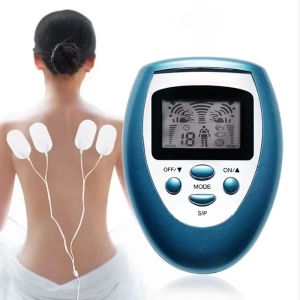
A TENS unit is a small electronic device that delivers low-voltage electrical pulses through adhesive electrode pads placed on the skin. The pulses stimulate nerve fibers beneath the skin and can alter the way pain signals are sent to the brain. Because TENS is non-invasive and drug-free, many people use it to manage acute aches, chronic pain, and muscle soreness without the side effects associated with medications.
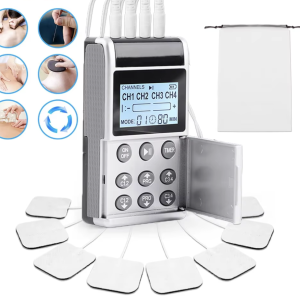
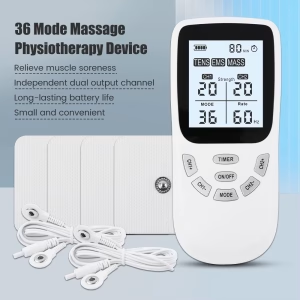
Modern TENS units range from basic single-channel models with simple controls to multi-channel units offering programmable modes, varying pulse widths, and timing features. Many are battery powered and pocket-sized, making them practical for use at home, at work, or during travel.


I wasn’t sure if this would really help, but after a few days of using it, I can honestly say it works. The different modes feel very close to a real massage, and the intensity levels make it easy to adjust depending on how sore I am. I mainly use it for my neck and lower back, and the pain relief is noticeable after each session. The battery lasts a long time, and it’s small enough to carry in my bag. If you have muscle pain and want something practical and effective, this is definitely worth trying.

Absolutely worth it, quick relief on sore muscles and joints, easy to set up, and feels high quality. Really impressed!

I’m really happy with this TENS machine. It provides noticeable pain relief, especially for my neck and lower back, and the different modes make it easy to find a comfortable setting. The battery lasts well and it’s compact enough to use at home or take to work. Great quality for the price, I would definitely recommend it.
How TENS works – in plain language
Two main theories explain how TENS reduces pain:
- Gate control theory – Electrical stimulation activates certain non-pain sensory nerves that “close the gate” at the spinal cord level, reducing the transmission of pain signals to the brain. This immediate modulation can lead to noticeable, short-term relief.
- Endorphin release – Repetitive stimulation can prompt the nervous system to release natural pain-relieving chemicals (endorphins), creating longer-lasting comfort after a session.
Both mechanisms may operate together. The result is often a reduction in pain intensity, improved ability to move, and a better quality of life for people with a variety of conditions.
Proven benefits and common uses
TENS is not a magic cure, but it has many well-documented, practical benefits when used properly:
- Acute pain relief – People commonly use TENS for short-term relief after injuries, strains, or during flare-ups of existing pain conditions.
- Chronic pain management – Many patients with osteoarthritis, low back pain, and certain neuropathic pain disorders report meaningful symptom reduction when TENS is part of a comprehensive management plan.
- Postoperative and rehabilitative support – TENS can help reduce postoperative pain and allow patients to perform rehabilitative exercises with less discomfort.
- Muscle soreness and sports recovery – Athletes use TENS to ease delayed onset muscle soreness (DOMS) and to support muscle relaxation after intense workouts.
- Labor and delivery – Some birthing people find TENS helpful as a non-pharmacologic pain management option during early labor (used under guidance from health professionals).
- Improved function – Even modest short-term pain relief can improve mobility and make daily activities easier.
The degree of benefit varies by individual, condition, and correct application, but many users appreciate the control and immediacy TENS provides.
Safety and evidence – what the research says
Clinical studies and systematic reviews indicate that TENS can provide clinically meaningful pain relief for some people and certain conditions. Outcomes are often better when TENS is used as part of a broader treatment plan (exercise, physical therapy, ergonomic adjustments) rather than as a standalone cure.
TENS is generally considered safe when used according to the manufacturer’s instructions and with standard medical precautions. Adverse effects are uncommon and usually minor – skin irritation under electrodes or temporary muscle twitching when intensity is set too high.
Important medical note: TENS is not appropriate for everyone. People with implanted electrical devices (like pacemakers or defibrillators), certain arrhythmias, epilepsy, or some pregnancy situations should avoid TENS or discuss it with a clinician first. Always consult a healthcare professional before starting TENS if you have significant medical conditions.
How to use a TENS unit effectively
To get the best results, follow these practical steps:
- Read the manual and check contraindications. Start by reviewing the device instructions and warnings. If you have medical concerns, consult your doctor or physiotherapist.
- Clean the skin. Wipe the area with soap and water, then dry thoroughly. Avoid lotions or oils where the electrodes will be placed.
- Place electrodes thoughtfully. Typical approaches include bracketing the painful site (one pad above and one below) or placing pads along the path of the affected nerve or muscle. Avoid placing electrodes over the front of the neck, eyes, mouth, chest directly over the heart, or broken skin.
- Start at a low intensity. Turn the intensity up slowly until you feel a strong but comfortable tingling — it should never be painful. Adjust pulse settings as needed.
- Session length and frequency. Many users begin with sessions of 15–30 minutes, up to several times a day, based on comfort and guidance from a clinician. Some devices offer continuous modes for longer therapeutic use.
- Monitor skin under pads. Remove electrodes after use and check for redness or irritation. Rotate pad positions slightly to avoid repeated pressure on the exact same patch of skin.
- Combine with active measures. Use TENS to enable movement, stretches, and exercises that support long-term recovery.
Choosing the right TENS unit
Consider these factors when selecting a device:
- Number of channels: Two channels let you treat two areas at once. This is useful if you have bilateral pain.
- Programmable modes: Preset programs for muscle relaxation, burst modes for endorphin stimulation, and variable pulse width can increase flexibility.
- Portability and battery life: If you’ll wear TENS on the go, look for compact units with long battery life and easy controls.
- Electrode quality and cost: High-quality electrodes adhere better and last longer. Consider the availability and price of replacement pads.
- User interface: Clear displays and simple controls improve usability — especially for older adults or those new to TENS.
Maintenance and care
- Store electrodes on their protective backing and in a cool, dry place.
- Replace pads when adhesion weakens or when the gel is dirty.
- Clean lead wires and connectors gently and inspect for damage.
- Follow battery care recommendations to maximize device lifespan.
Common misconceptions
- “TENS cures the underlying condition.” TENS treats symptoms (pain), not the root structural or inflammatory causes. It’s most effective as a component of comprehensive care.
- “Bigger intensity = better results.” Excessive intensity can be uncomfortable and counterproductive. Comfortable, therapeutic stimulation is the goal.
- “TENS is only for severe pain.” TENS can be beneficial for mild to moderate pain as well, and even brief relief can make rehabilitation easier.
Who should avoid TENS or take special precautions?
- People with implanted electronic devices (pacemakers/ICDs) should generally avoid TENS unless cleared by their cardiologist.
- Pregnant people should consult their healthcare provider before TENS; certain areas (e.g., abdomen) are typically avoided.
- Individuals with epilepsy or uncontrolled heart conditions should discuss risks with their clinician.
- Never place electrodes over open wounds, infections, or areas with impaired sensation without professional guidance.

Frequently Asked Questions (FAQ) – TENS Units
What is a TENS unit?
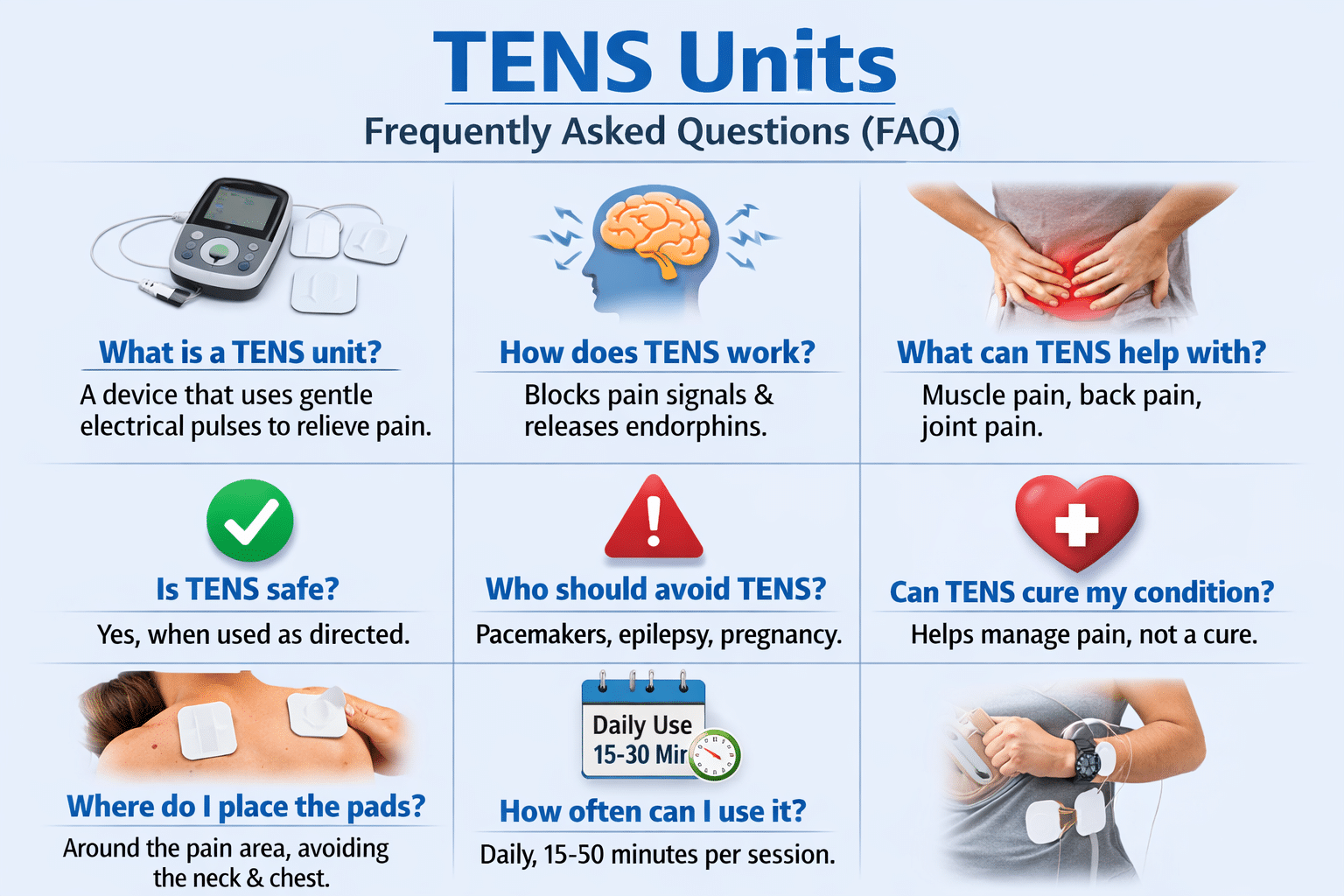
A TENS (Transcutaneous Electrical Nerve Stimulation) unit is a portable, drug-free device that delivers gentle electrical impulses through adhesive pads placed on the skin. These impulses help reduce pain signals and support muscle relaxation.
How does a TENS unit work?
TENS works by stimulating sensory nerves, which can block or reduce pain signals traveling to the brain. It may also encourage the body to release endorphins, the body’s natural pain-relieving chemicals.
What types of pain can TENS help with?
TENS is commonly used for muscle pain, joint discomfort, back pain, neck pain, sports-related soreness, post-workout muscle fatigue, and some forms of chronic pain. Effectiveness may vary depending on the individual and condition.
Is TENS safe to use?
Yes, TENS is generally safe when used as directed. It is non-invasive and does not involve medication. Mild skin irritation under the electrode pads is the most common side effect and usually resolves quickly.
Who should not use a TENS unit?
TENS should not be used by individuals with pacemakers, implanted defibrillators, or other electronic medical devices unless approved by a doctor. People with epilepsy, serious heart conditions, or who are pregnant should consult a healthcare professional before use.
Can I use a TENS unit every day?
Yes, many people use TENS daily. Typical sessions last between 15 and 30 minutes and may be repeated multiple times per day, depending on comfort and need.
Where should the electrode pads be placed?
Electrode pads should be placed around the area of discomfort or along the affected muscle group. Avoid placing pads on the front of the neck, over the heart, on the head, or on broken or irritated skin.